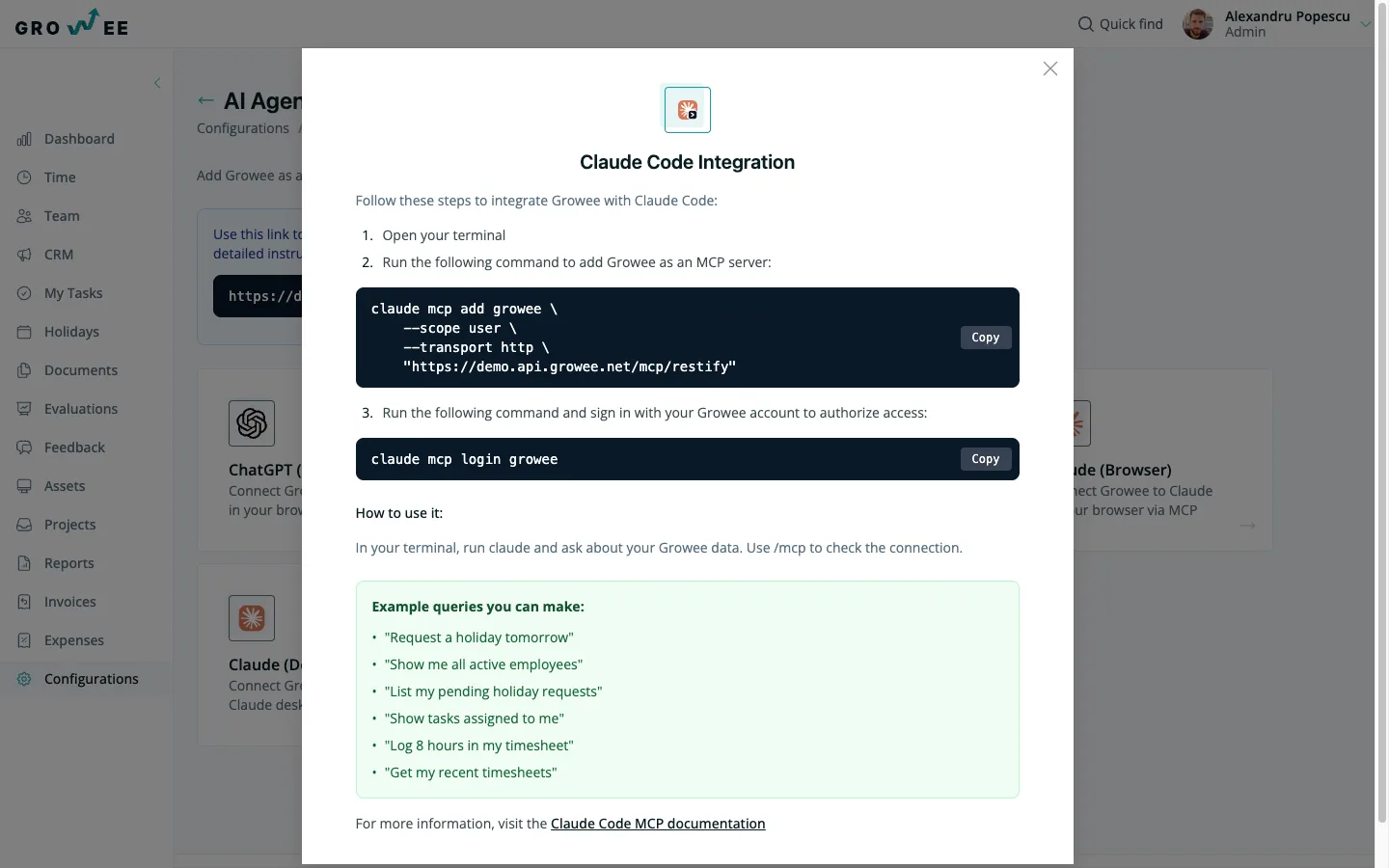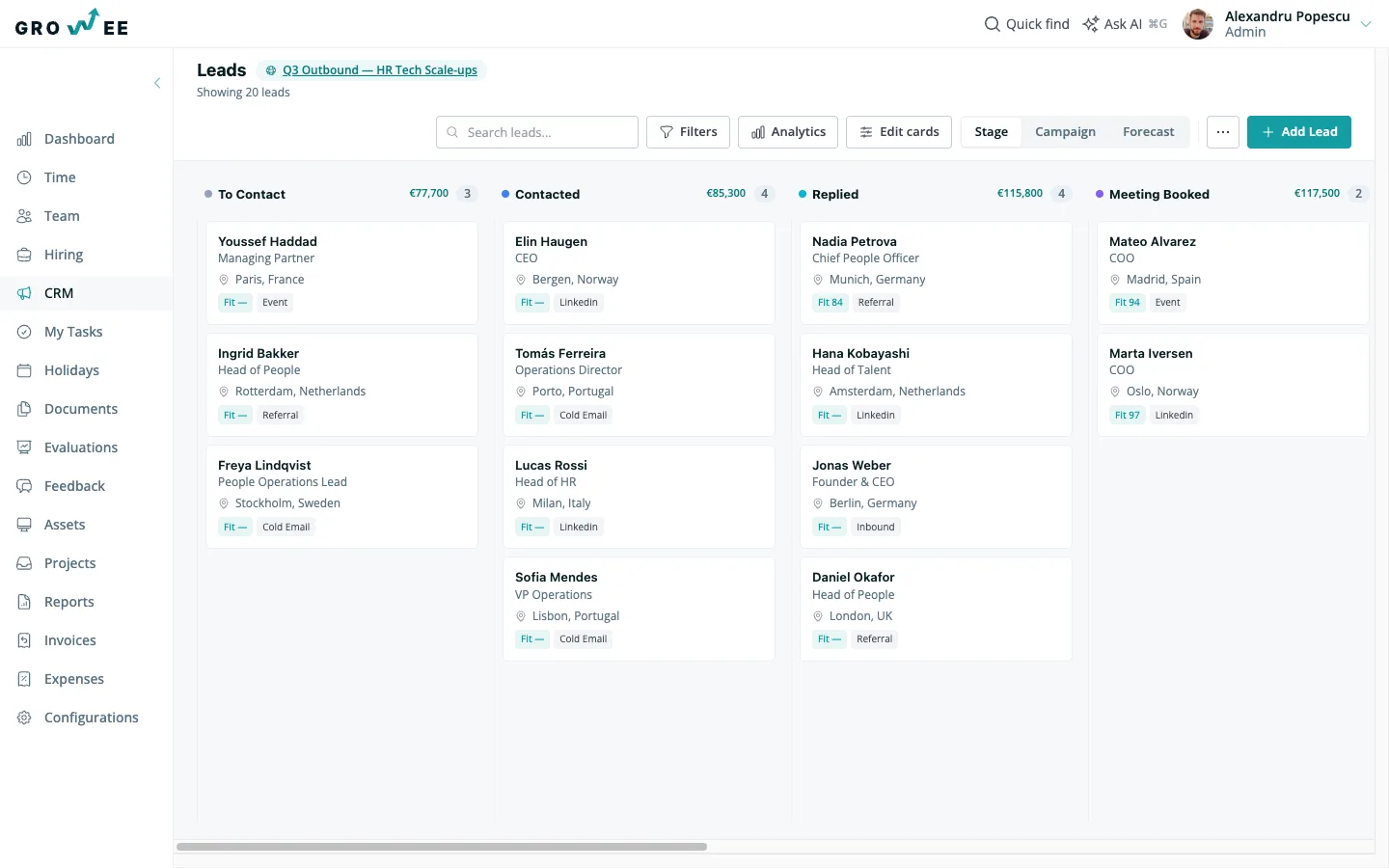
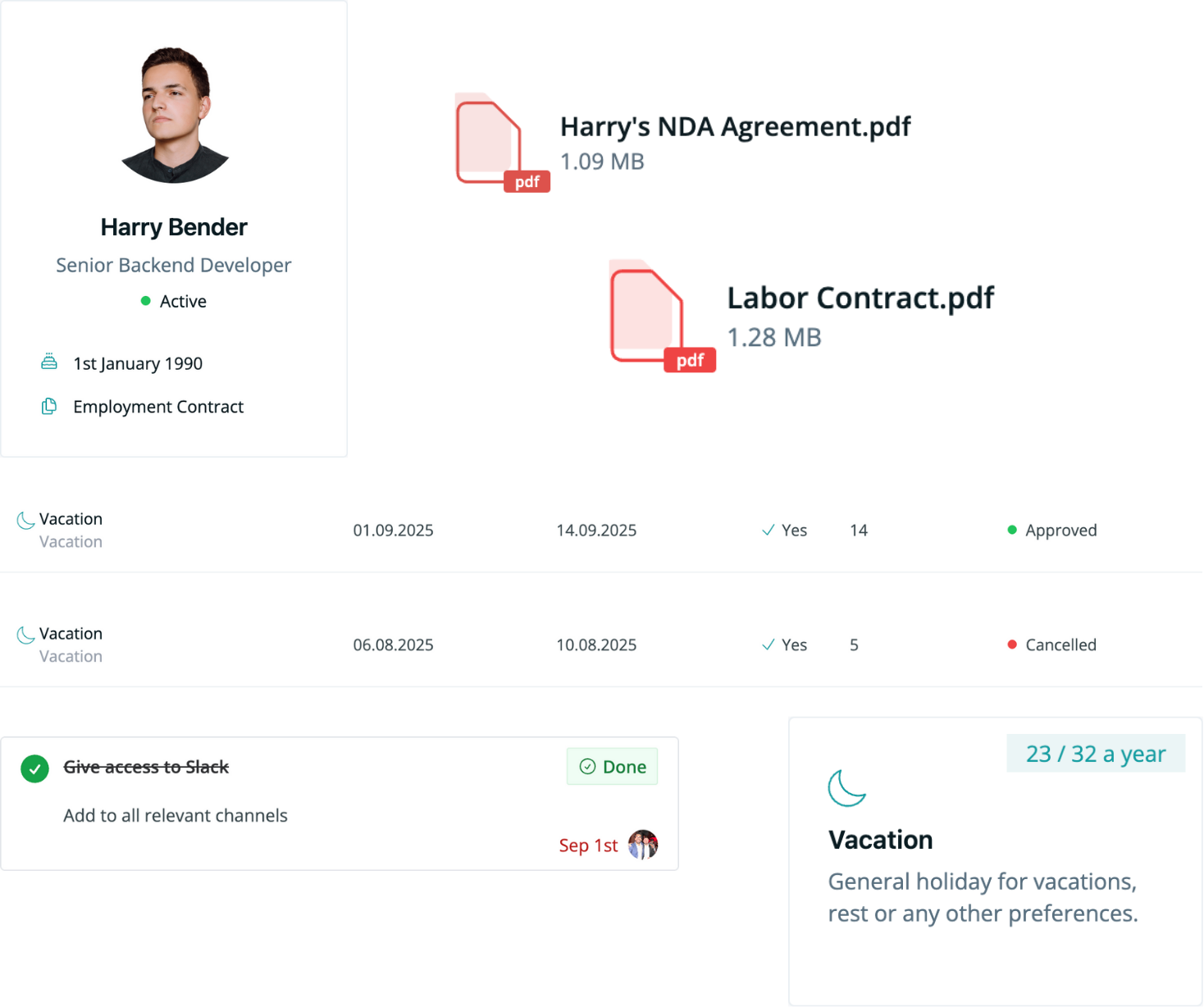
Two stories landed on 20 August 2026, and most people will file them in different folders.
The first is research. HR publication HRD ran Why standalone tech drains workforce productivity, covering a Workday study run with The Harris Poll. Its headline number: “More than eight in 10 employees (82%) spend significant time copying and pasting information between systems.”
The second is a product announcement. On the same day, Workable and Oyster announced a native integration. Its mechanism: “Once a candidate is marked ‘Hired’ in Workable, their profile data now flows directly into Oyster.”
The research says employees are the integration layer. The announcement is two vendors removing one square inch of that layer by hand. Both are true at once, and the second is a large part of why the first keeps being true.
What was actually reported
Here is the sourced part, and only the sourced part.
The study. The report is titled The Copy/Paste Economy: Why Task-Oriented AI is Failing the Enterprise. Per Workday’s own write-up, it is “based on a survey of 6,100 professionals across finance, HR, IT, and operations, all active AI users at organizations with 500 or more employees.” One date correction worth making, because the coverage blurs it: Workday published that post on 14 May 2026. HRD’s 20 August piece is coverage of an existing study, not new August research.
The findings HRD pulled out, in HRD’s wording:
- “More than eight in 10 employees (82%) spend significant time copying and pasting information between systems.”
- “Nearly half (43%) report their days feel highly busy but not genuinely productive.”
- “Only 27% of organisations have fully embedded AI into their core business workflows.”
- “One in five workers lose more than seven hours weekly to basic manual integration tasks.”
And the control case from the same piece, which I find more persuasive than the complaints: “In organisations using embedded AI, 60% of employees report time savings of 25% or more.”
Those quotes are HRD’s renderings. Workday’s own write-up of the same study is a shade plainer: “Only 27% of organizations have embedded AI into the core of their business,” and “20% lose more than seven hours a week to manual integration.” Where the wording matters below, I use Workday’s.
Read the sponsor before the number. Workday sells a suite, so a study concluding that suites beat point tools is a study whose conclusion was commercially convenient before the first response came in. I sell an all-in-one platform, so the same discount applies to me. The reason to take the 82% seriously anyway is that it is a description of what people do all day, not a projection of what software will do for them, and it matches what anyone who has watched an HR team work already knows.
The integration. The release went out on GlobeNewswire on 20 August 2026 at 09:44 ET, filed by Workable. It describes Workable as “the hiring and HR platform used by more than 6,200 companies in 100+ countries,” and Oyster as “the global employment solution to employ, pay, and care for distributed teams in 180+ countries without opening a local entity.”
What shipped is narrower than the headline: “A data connection between Workable’s applicant tracking system and Oyster’s Employer of Record platform,” which “automatically imports hired candidate data from Workable into Oyster, pre-populating the hiring form for EOR or contractor onboarding.” It is “available now to mutual customers via API connection in Workable and Oyster’s integrations settings.”
Chryssa Takou, Partnerships Manager at Workable, framed it this way in the release: “As more companies build distributed teams, the experience shouldn’t become more complex. Together with Oyster, we’re simplifying international hiring by connecting the recruiting process directly with global employment, so customers can focus on growing their teams rather than managing administrative handoffs.”
That is a good, sane piece of work, and if you run both tools you should turn it on. Note what the release describes and what it does not: one direction, Workable to Oyster, on one event. It says nothing about data coming back the other way, so do not assume it does.
Everything past this line is my analysis.
The arithmetic nobody puts on the slide
A partnership does not fix integration. It fixes a pair.
Two tools have one pair between them. Five tools have ten. Ten tools have forty-five. The tools multiply on a purchasing decision that takes one afternoon; the pairs get connected one press release at a time, by partnership teams at two companies who both have to want it in the same quarter.
Then narrow it further. The Workable and Oyster connection covers one event in one pair, in one direction. A hire moves. An address change six weeks later does not. A contract end date does not. The seam is not closed, it is thinner in one spot.
This is the mechanism behind the 82%. Every tool you add is a boundary, and every boundary that no vendor has been paid to cross is staffed by a person with two browser tabs open, retyping a start date. AI made this worse rather than better, because a standalone AI tool produces output that has to be moved into the system of record by hand. It drafts the offer; a human still keys the salary into the HR system. That is what the 27% is measuring, the share of organizations that have “embedded AI into the core of their business,” and it is why the same survey finds people busy and unproductive at the same time.
Where the seams sit in a 40-person company
Not theoretical ones. The ones I watch teams staff with human attention every month:
- Offer accepted, and someone retypes the candidate into the HR system as an employee.
- Employee starts, and their contract lives in a shared drive while their record lives elsewhere.
- Leave gets approved in one place, then rebuilt as a monthly sheet for whoever runs payroll.
- A fixed-term contract has an expiration date that exists only in a PDF and in one person’s memory.
- Hours get logged against a project, then re-entered on the invoice.
- A client says yes in an inbox, and nothing in any system knows about it until someone types it in.
Each of those is a small job. None of them is a project anyone will fund. Together they are how one in five people lose more than seven hours a week.
Where Growee sits, and this is our own product
I would rather label this section than let it read as neutral analysis.
Growee’s answer to the hiring seam is that there is no wire, because there are not two systems. Hiring a candidate is one action on the candidate record and one short form, and it creates the employee in the same database: it carries the email and phone across, prefills the hiring manager from the candidate and the position from the job posting, copies the CV into that person’s documents, files the candidate notes as internal feedback, and archives the candidate. You still type the start date and pick the level on the way through. The employee record lands as a draft, so a person finishes it rather than a sync job inventing fields. There is no integration to enable, and no wire to break when one of your vendors ships a change.
Underneath that, employees, leave, time, documents, CRM and hiring sit behind one login, on one set of records. The point is not the module count. It is that the leave a manager approved and the presence sheet you hand to payroll are the same data read twice, rather than two datasets someone has to keep equal.
Prices are on the site rather than behind a call. The Free plan covers up to 3 employees, Pro is €2 per active employee per month or €20 per active employee per year, and the add-ons are CRM at €49 per month with a free tier of 100 leads, Knowledge Base at €29 per month with a free tier of 10 documents, Hiring at €10 per job post plus €1 per candidate, and AI credits in packs from €10. Those numbers are on the pricing page so you can check them yourself.
Now the honest limits, because a post arguing against tool sprawl should say where it stops.
Growee is not an Employer of Record. It does not employ anyone on your behalf, and it does not run local payroll. If you are hiring in a country where you have no legal entity, you need a provider like Oyster, and nothing in Growee replaces that. Growee also has its own boundaries: the monthly presence sheet, built from approved leave, national holidays, weekends and contracted hours, is a file that goes to your payroll provider, and a file crossing a boundary is still a seam. We connect to outside systems too, which means we own a share of the same problem we are describing.
The claim is narrower than “no integrations.” It is that the handoffs happening most often inside a small HR team should be reads against the same record, and the ones that genuinely leave the building should be few enough to name.
The short version
Workday and The Harris Poll measured the cost of the boundaries between your tools. Workable and Oyster spent partnership budget removing one of them and were right to. Those are the two facts.
My read, clearly an opinion and clearly self-interested: partnerships close pairs at the speed of two roadmaps, and buying decisions open them at the speed of a credit card. Counting your own boundaries is a cheaper exercise than either. List the moments this month when a person moved data from one screen to another, and count how many of those moves exist because of a tool you chose rather than a rule you have to follow.