
Dear reader,
Organizations are always seeking innovative solutions to streamline operations and improve internal processes. A rising trend in this space is the utilization of Enterprise Resource Planning (ERP) systems for employee evaluations – both technical and salarial. Let’s explore why ERPs are fast becoming the go-to tool for these evaluations, and the unmatched value they bring to the table.
1. Data accessibility and transparency
The importance of having data at hand: In the digital age, immediate access to critical information is not just a luxury; it’s a necessity. When conducting technical and salarial evaluations, having all relevant data at your fingertips ensures a smoother, more accurate assessment process. An ERP system offers this exact capability, centralizing data and making it easily retrievable.
Promoting transparency: A transparent evaluation process is crucial for building trust between employees and management. With ERPs, every involved party can view the criteria for assessments, ensuring that evaluations are fair and consistent. This transparency can lead to increased employee satisfaction and a more harmonious work environment. Organizations with transparent operations often report higher levels of employee engagement and productivity.
A blog article by IBM goes a bit in depth, here: “Why Data Accessibility is the Future of Business” by IBM
2. The flexibility of role assignments
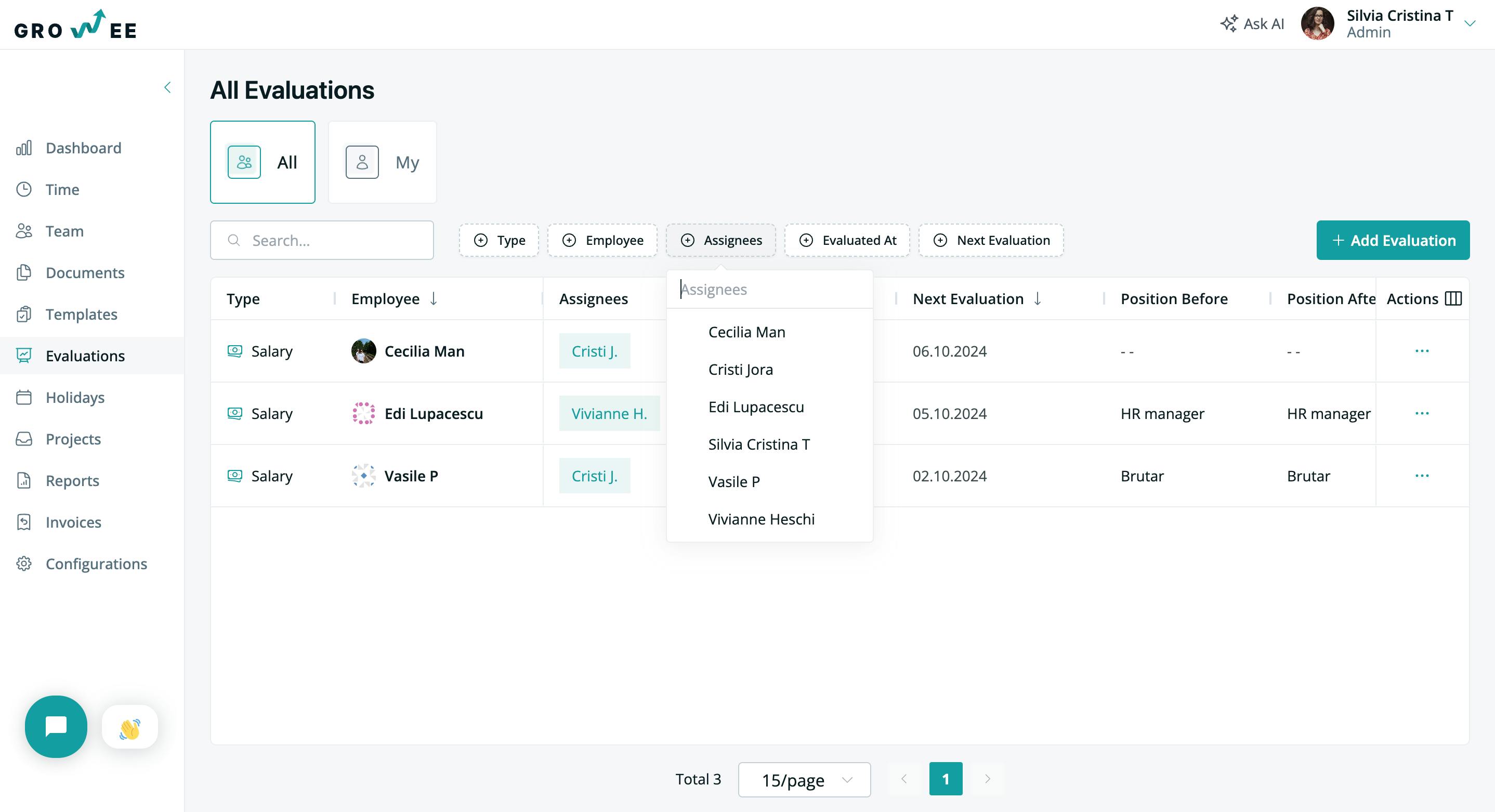
One of the standout features of using an ERP for evaluations is the ability to define roles clearly. Companies can effortlessly choose who evaluates and who gets evaluated. This flexibility ensures that the right people, with the right expertise and experience, are assigned the appropriate roles, fostering an effective evaluation process.
3. Historical data for comprehensive analysis
ERPs not only help with current evaluations but also allow teams to access past evaluations. This historical data is invaluable for tracking an employee’s progression, identifying areas of improvement, and making informed decisions about promotions or additional training. Historical data’s role in decision-making is pivotal.
A relevant discussion on this: “Data-Driven Decision Making: 10 Simple Steps For Any Business” by Tableau
4. Efficient scheduling and follow-ups
Another boon of ERPs is their ability to schedule evaluations and set reminders for future ones. This automated process ensures that evaluations happen on time, and there’s a structured follow-up mechanism in place.
For a discussion on the significance of effective scheduling, visit this article: Unstable Scheduling Can Negatively Impact Employee Health
5. Peace of mind with secure and systematic evaluations
Using an ERP provides companies with peace of mind, knowing that their evaluation processes are systematic and secure. With features like data encryption and access control, sensitive employee information remains confidential.
For more insights on the security and systematic benefits of ERP, click here: “Benefits of ERP Systems” by SelectHub
In Conclusion
ERPs are transforming the way companies approach technical and salarial evaluations. Their comprehensive features ensure that evaluations are not only efficient but also transparent and fair. For companies in the tech industry, where innovation is the key, adopting an ERP for employee evaluations can provide a competitive edge, fostering growth and operational excellence.
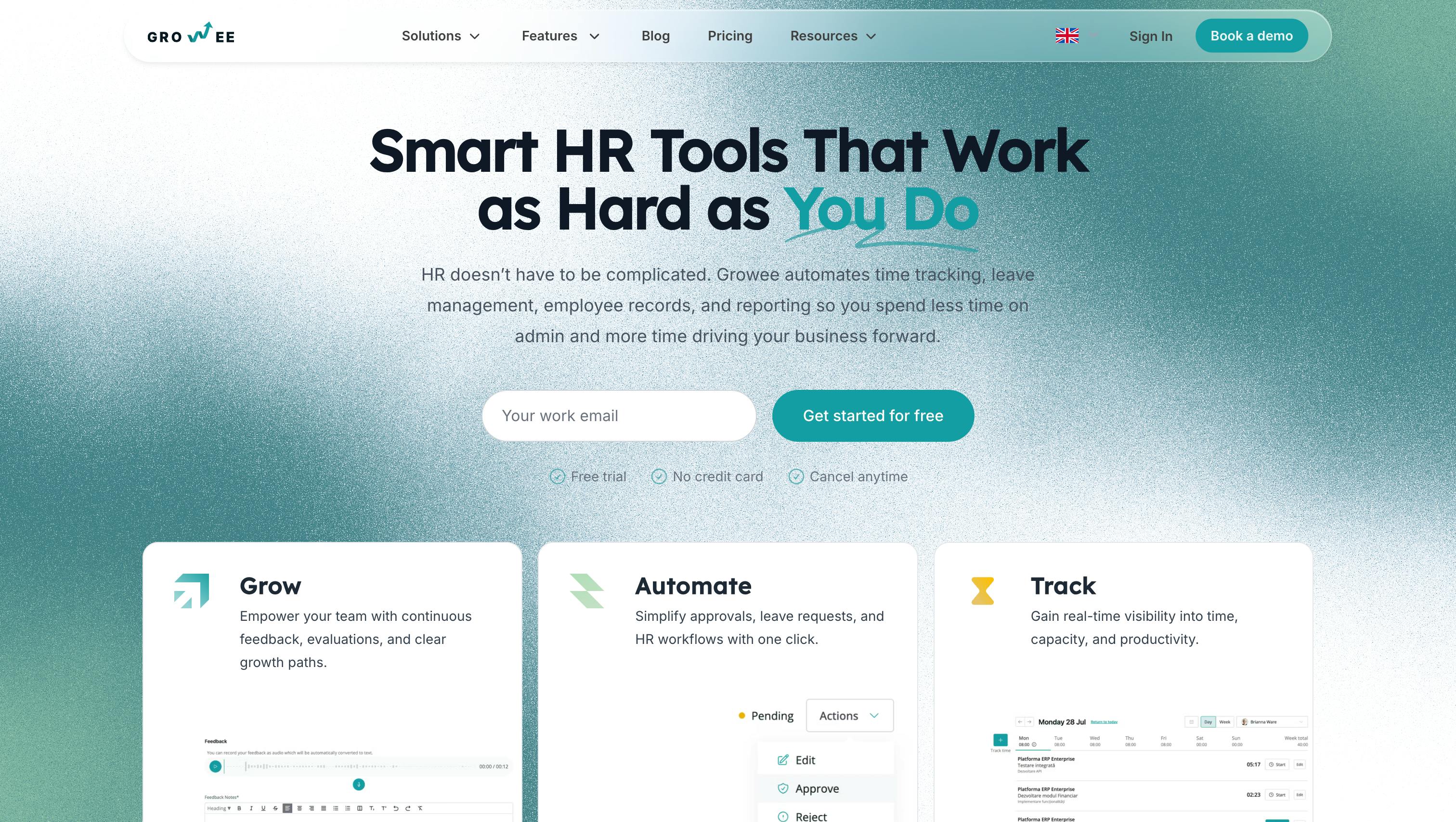
Growee offers an easy, intuitive and 100% secure way of managing technical and salarial evaluations for your employees. You can see more details in the video below:
Warmly,
Growee Team